
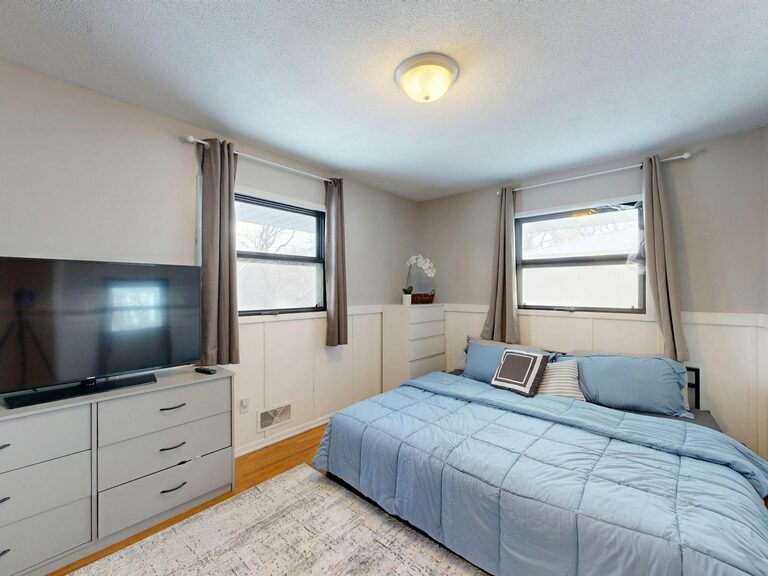
Lighting plays a crucial role in how we experience our homes. The right lighting not only illuminates a space but also sets the mood, boosts productivity, and creates an inviting atmosphere. Choosing comfortable home lighting can seem challenging with so many options available, but a few simple guidelines can make the process enjoyable and effective. This post will help you select lighting that suits your home’s style and your daily needs.
Understanding Comfortable Lighting
Comfortable lighting is more than just brightness. It involves a combination of light intensity, color temperature, placement, and control. The goal is to create an environment that feels welcoming and supports your activities, whether that’s relaxing, working, cooking, or entertaining.
Why Comfortable Lighting Matters
– Mood enhancement: Proper lighting affects how relaxed or alert you feel.
– Eye comfort: Reduces strain caused by overly bright or harsh light.
– Functionality: Ensures enough light for tasks without causing glare.
– Aesthetic appeal: Highlights your home’s features and décor beautifully.
Types of Lighting to Consider
Before diving into tips, it’s helpful to understand the three basic types of lighting:
- **Ambient lighting:** The main source of light that illuminates the room evenly.
- **Task lighting:** Focused light to assist with specific activities like reading or cooking.
- **Accent lighting:** Decorative lighting that highlights art, plants, or architectural features.
Balancing these types creates layered lighting that feels natural and comfortable.
Tips for Choosing Comfortable Home Lighting
1. Assess the Purpose of Each Room
Think about how you use each room:
– Living rooms benefit from warm, flexible ambient lighting that can be dimmed for relaxation.
– Kitchens and workspaces need brighter, focused task lighting to ensure safety and accuracy.
– Bedrooms should have soft, warm lights that help you unwind.
– Bathrooms require bright, clear lighting near mirrors for grooming.
Matching lighting style to the room’s purpose is key for comfort.
2. Choose the Right Color Temperature
Color temperature is measured in Kelvins (K) and affects the light’s warmth or coolness.
– Warm light (2700K–3000K): Cozy and relaxing, ideal for bedrooms and living rooms.
– Neutral light (3500K–4100K): Balanced and inviting, good for general use.
– Cool light (5000K–6500K): Bright and energizing, suitable for task areas like kitchens and offices.
Avoid very high temperatures for living spaces, as they can feel harsh and uncomfortable.
3. Opt for Adjustable Lighting
Having control over your lighting can greatly improve comfort.
– Dimmer switches: Allow you to adjust brightness to suit the time of day or activity.
– Smart bulbs: Offer customizable colors and schedules through smartphone apps.
– Multiple fixtures: Layer lighting with ceiling lights, lamps, and sconces to adapt when needed.
Adjustability ensures your lighting stays comfortable across different situations.
4. Consider Light Quality and Bulb Types
Light quality refers to how colors appear under the light source, measured by the Color Rendering Index (CRI). A CRI of 80 or above is recommended for home lighting to see colors accurately.
Regarding bulb types:
– LED bulbs: Energy-efficient, long-lasting, available in various color temperatures and dimmable options.
– Incandescent bulbs: Offer warm light but are less energy-efficient.
– Fluorescent bulbs: Bright but can flicker and have limited dimming capability.
LED bulbs are typically the best balance of quality, comfort, and efficiency.
5. Place Lights Thoughtfully
Lighting placement affects comfort greatly. Avoid direct glare or shadows on work surfaces.
– Position task lights so they illuminate the area without shining directly into your eyes.
– Use lampshades and diffusers to soften the light.
– Consider wall sconces or indirect lighting to reduce harsh contrasts.
– Incorporate natural light where possible, balancing it with artificial lights during evenings.
6. Use Lighting to Enhance Features and Space
Good lighting can make a room feel larger and highlight architectural details.
– Use accent lighting to draw attention to artwork or textured walls.
– Add floor lamps in corners to brighten dim areas.
– Mount lights at different heights for visual interest and comfort.
7. Prioritize Energy Efficiency
While comfort is important, energy efficiency supports sustainability and lowers utility bills.
– Choose LED bulbs and fixtures rated for low power consumption.
– Use timers or motion sensors in low-traffic areas to reduce waste.
– Incorporate natural daylight to minimize artificial lighting during the day.
8. Test Before Final Installation
Whenever possible, test lighting options to see how they feel in the actual space.
– Bring home sample bulbs and test their light temperature and brightness.
– Experiment with fixture placement and bulb types.
– Observe lighting at different times of day.
This step helps avoid costly mistakes and ensures your lighting is truly comfortable.
Final Thoughts
Choosing comfortable home lighting involves balancing function, style, and personal preference. By understanding your needs, selecting appropriate light temperatures, and layering different light sources, you can create spaces that feel inviting and meet your everyday demands. Remember, lighting is not just about brightness—it’s about how the light makes you feel in your home.
Try implementing these tips room by room, and enjoy the benefits of a well-lit, comfortable living environment.
